India’s Farm Dilemma: Why Hazardous Pesticides Persist Despite Health and Food Safety Risks

India’s agricultural transformation has been one of the most significant development stories of the past century. From food scarcity to self-sufficiency, chemical inputs-especially pesticides-have played a critical role in boosting productivity and protecting crops. However, this success has come with a hidden cost. The continued use of hazardous pesticides, many of which are banned or restricted in several countries, is now emerging as a serious concern for public health, environmental sustainability, and the long-term resilience of Indian agriculture.
The issue is not simply about chemical usage, but about systemic gaps in regulation, awareness, and access to safer alternatives. As India aims to modernize its agricultural sector, addressing the risks posed by Highly Hazardous Pesticides (HHPs) has become both urgent and unavoidable.
Understanding the Scale and Nature of the Problem
India is among the world’s leading producers and consumers of pesticides. While per hectare consumption remains relatively moderate compared to countries like China or the United States, the concern lies in the toxicity profile of the chemicals being used.
A considerable share of pesticides in India falls under the category of Highly Hazardous Pesticides. These are substances that:
- Cause severe acute toxicity even in small doses
- Persist in soil and water systems for long periods
- Bioaccumulate through the food chain
- Pose risks to non-target organisms, including humans and pollinators
The continued availability and usage of such chemicals reflect a gap between regulatory intent and field-level realities.
Human Health Implications
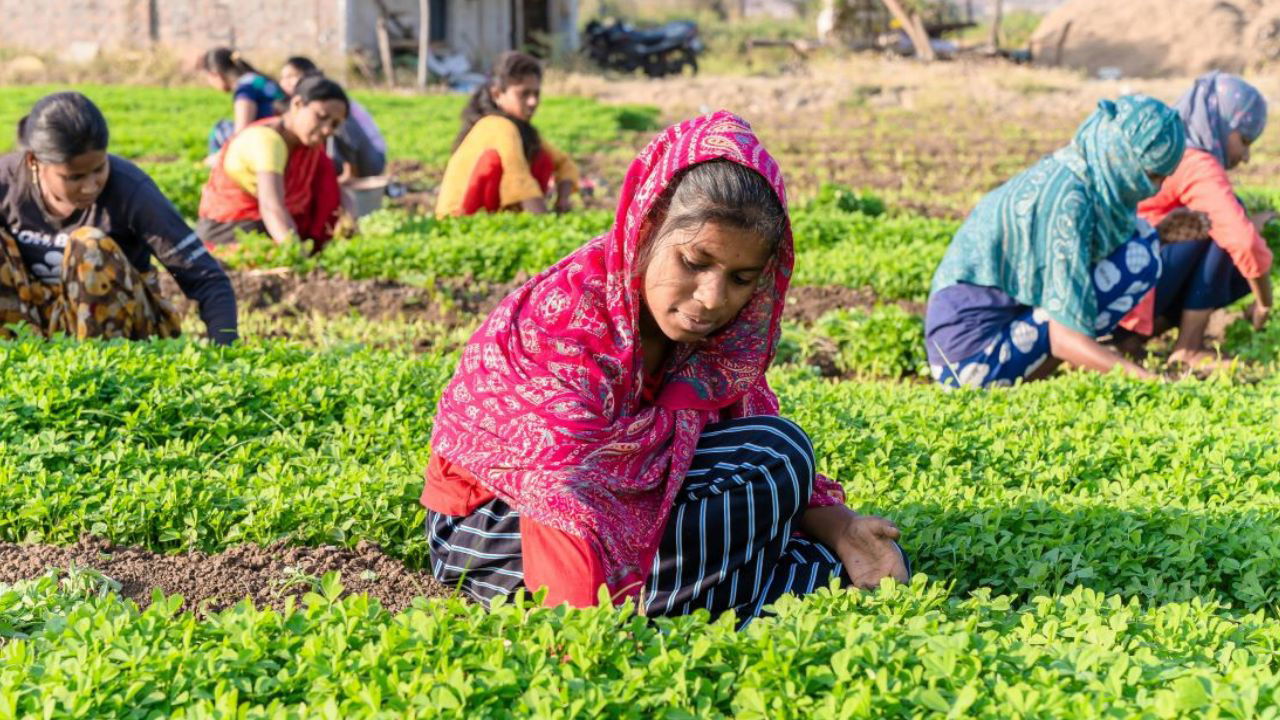
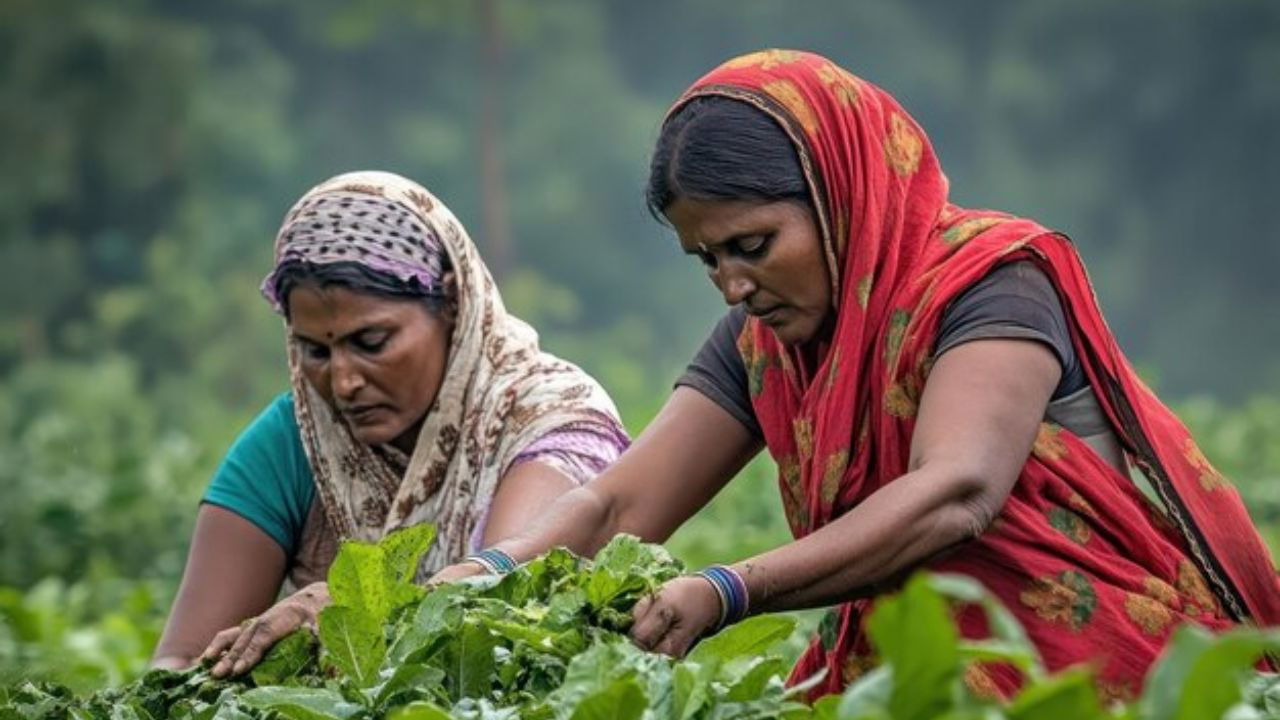
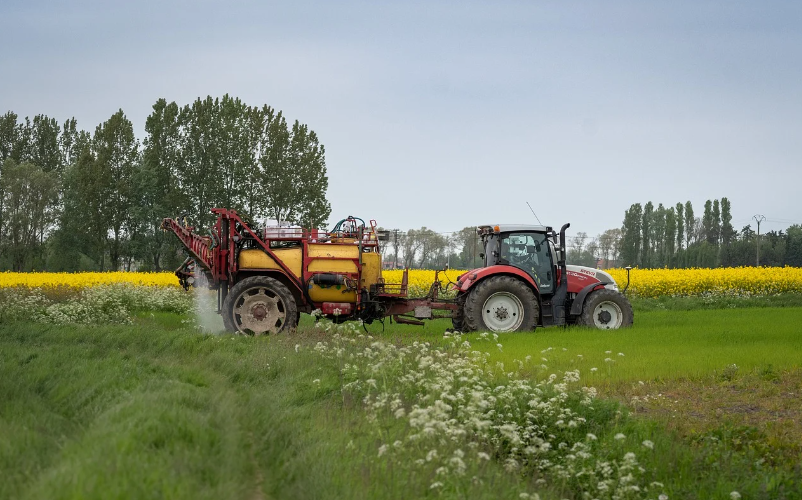
The most immediate and visible impact of hazardous pesticide use is on human health, particularly among farmers and agricultural workers.
Acute Poisoning and Exposure
India reports thousands of pesticide poisoning cases each year. Many incidents occur due to:
- Lack of protective equipment during spraying
- Inadequate knowledge of safe handling practices
- Accidental ingestion or exposure, especially in rural households
In several instances, mass poisoning events among farm workers have highlighted the severity of the issue.
Chronic Health Effects
Long-term exposure to hazardous pesticides has been associated with:
- Increased risk of cancers in intensive farming regions
- Hormonal and reproductive disorders
- Neurological impairments and developmental issues in children
These impacts often remain underdiagnosed and underreported, making the crisis less visible but deeply entrenched.
Environmental Consequences
Beyond human health, hazardous pesticides are causing significant ecological damage.
Soil Degradation
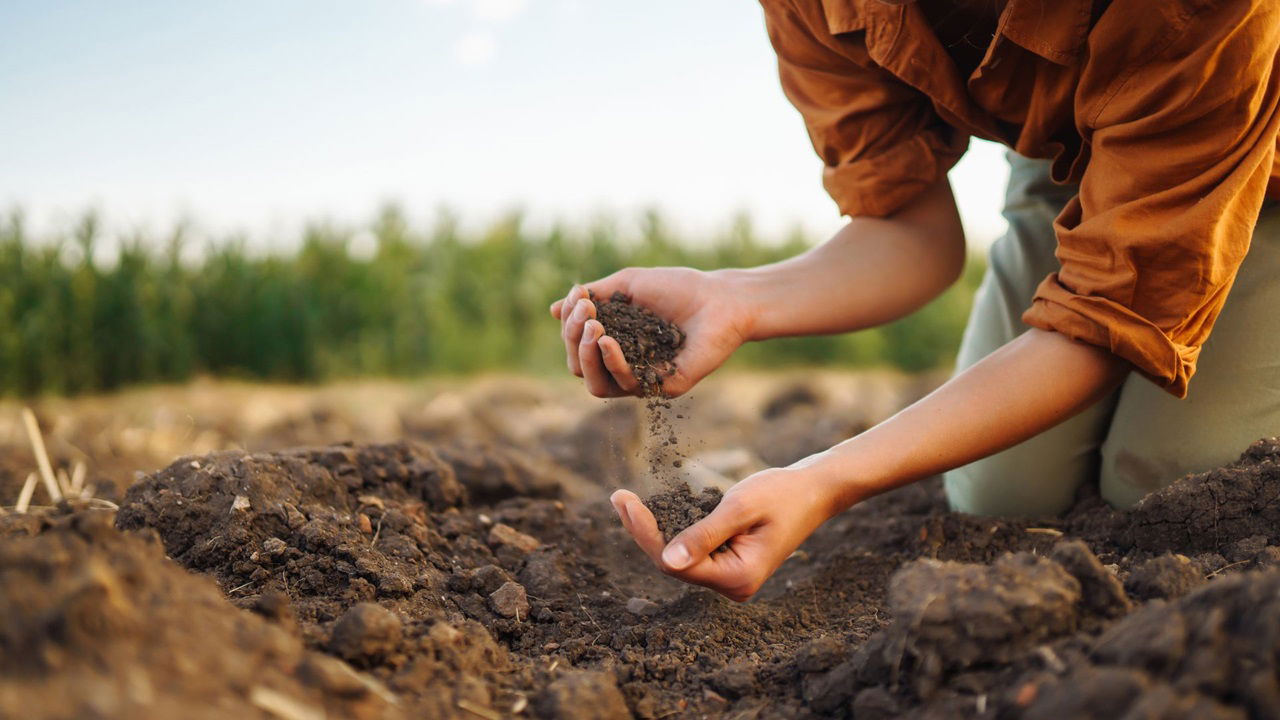
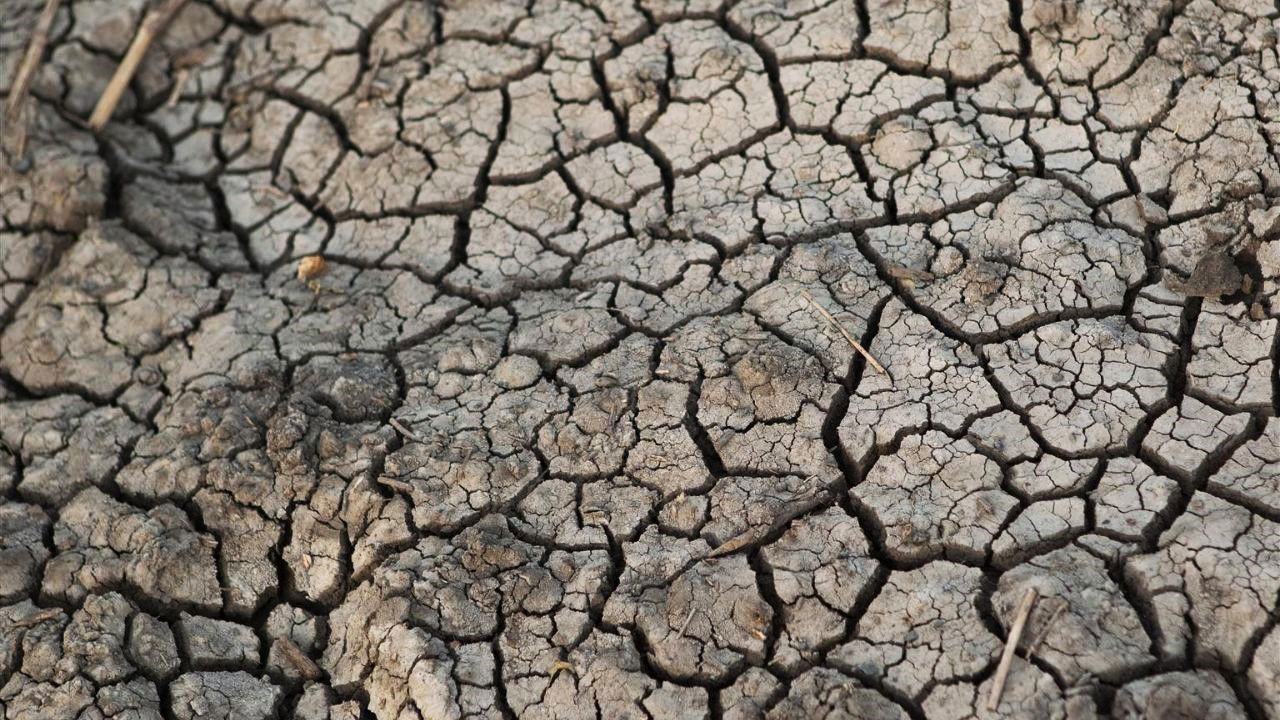
Pesticides disrupt soil ecosystems by killing beneficial microorganisms. This affects nutrient cycling and reduces soil fertility, increasing dependency on chemical fertilizers.
Water Contamination
Runoff from agricultural fields carries pesticide residues into groundwater and surface water bodies, affecting drinking water quality and aquatic life.
Loss of Biodiversity
Pollinators such as bees are particularly vulnerable to certain pesticides. Their decline has direct implications for crop productivity and ecosystem stability.
Regulatory Framework: Progress and Persistent Gaps
India regulates pesticides under the Insecticides Act, 1968, with oversight from the Central Insecticides Board and Registration Committee (CIBRC). While there have been efforts to review and restrict certain chemicals, several challenges remain:
- Delayed bans: Many pesticides banned globally are still in use domestically
- Weak enforcement: Monitoring and compliance mechanisms are inconsistent across states
- Data gaps: Limited real-time data on pesticide residues and usage patterns
- Institutional inertia: Regulatory processes often move slower than emerging scientific evidence
Although proposals like the Pesticide Management Bill aim to modernize the framework, implementation remains the critical bottleneck.
Why Hazardous Pesticides Persist in Indian Farming
The continued use of hazardous pesticides in India is deeply rooted in structural, economic, and informational constraints within the agricultural system. Despite relatively low per-hectare pesticide use compared to global averages, India still consumes over 50,000-60,000 tonnes annually, with insecticides forming a dominant share-often linked to higher toxicity profiles.
- Affordability and Easy Market Access
Hazardous pesticides remain cheaper and widely available through local dealer networks, making them the default choice for small and marginal farmers. In many regions, informal or even illegal supply chains continue to circulate banned or highly toxic chemicals, reinforcing their accessibility.
- High Pest Pressure and Immediate Effectiveness
Farmers face significant crop loss risks, with studies estimating up to 30–40% yield losses in major crops due to pests. In this context, fast-acting chemical pesticides offer visible and immediate results, strengthening behavioural dependence despite known risks.
- Limited Awareness and Weak Extension Systems
Research indicates that a large share of farmers lack proper training in safe pesticide use, with many relying on input dealers for guidance. Field studies also show widespread unsafe practices-low use of protective equipment and high exposure levels-with over 60% of farmers reporting health symptoms after pesticide use.
- Market and Income Pressures
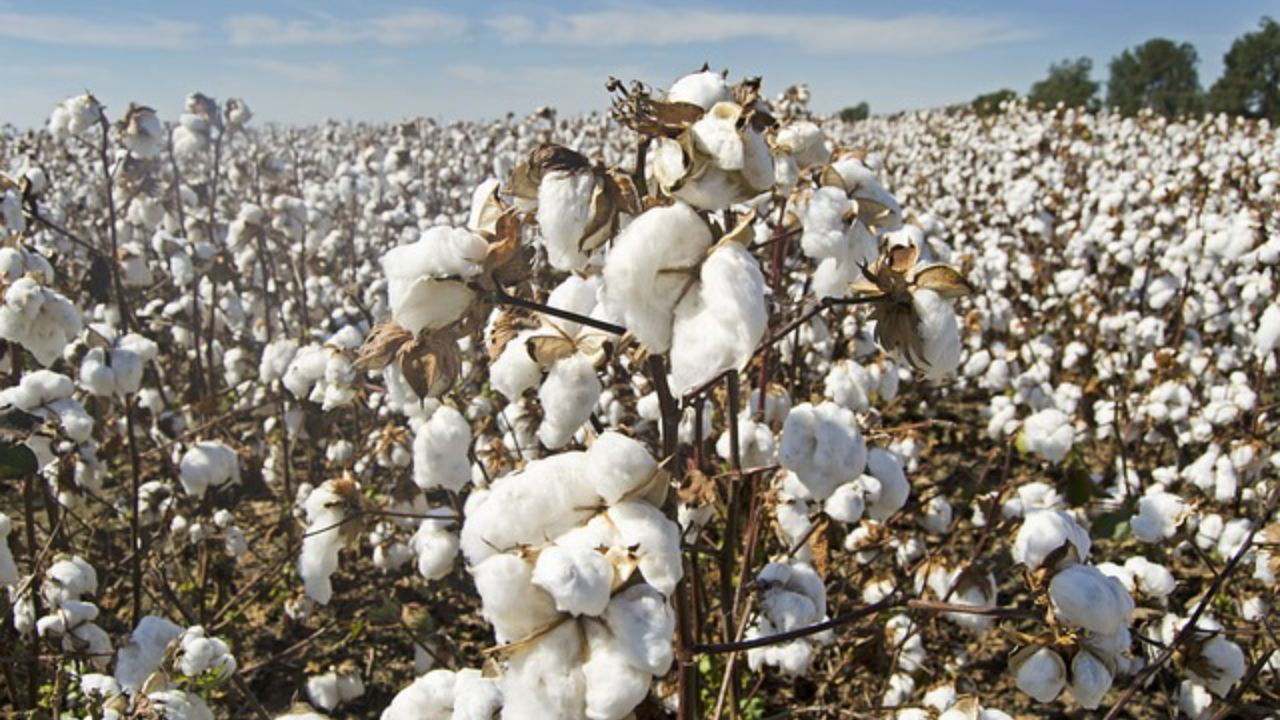
Farmers operate under tight margins and volatile markets, where even small crop losses can threaten livelihoods. This pushes them toward risk-averse decisions-prioritising yield protection over long-term sustainability. In high-input crops like cotton and vegetables, aggressive pesticide marketing and credit-linked sales further deepen dependency.
- Policy Gaps and Slow Regulatory Transitions
While regulatory frameworks exist, implementation gaps and delays in banning highly hazardous pesticides allow continued usage. Recent field surveys show that a significant proportion of pesticides used by farmers still fall under the “highly hazardous” category, highlighting the disconnect between policy intent and ground realities.
Together, these factors create a cycle where economic compulsions, institutional gaps, and risk perceptions reinforce the continued reliance on hazardous pesticides- making the transition to safer alternatives both necessary and challenging.
Global Perspective and Lessons for India
The global experience offers valuable insights into how countries have addressed the risks associated with hazardous pesticides.
- European Union: Precautionary and Preventive Approach
The European Union follows a precautionary principle, banning pesticides that pose potential risks even before widespread damage occurs. Several toxic chemicals, including paraquat and certain neonicotinoids, have been prohibited. The EU’s Farm to Fork Strategy aims to reduce pesticide use and risk by 50% by 2030.
Lesson: Early, science-based intervention reduces long-term costs and prevents systemic damage.
- United States: Risk-Based Regulation with Strong Monitoring
The United States employs a risk-based approach, regularly reviewing pesticide approvals based on updated scientific evidence. Strong residue monitoring systems ensure food safety compliance.
Lesson: Continuous evaluation and robust monitoring systems are essential for effective regulation.
- Sri Lanka: Targeted Bans for Public Health
Sri Lanka successfully reduced pesticide-related suicides by banning highly toxic pesticides such as paraquat and dimethoate. Importantly, agricultural productivity was not adversely affected.
Lesson: Focused bans on the most dangerous chemicals can deliver immediate public health benefits without harming farm output.
- China: State-Led Transition and Technological Adoption
China has implemented policies aimed at achieving zero growth in pesticide use. The country promotes precision agriculture, bio-pesticides, and farmer training programs.
Lesson: Large-scale transitions require strong state support, innovation, and farmer incentives.
- Africa and Latin America: Mixed Progress
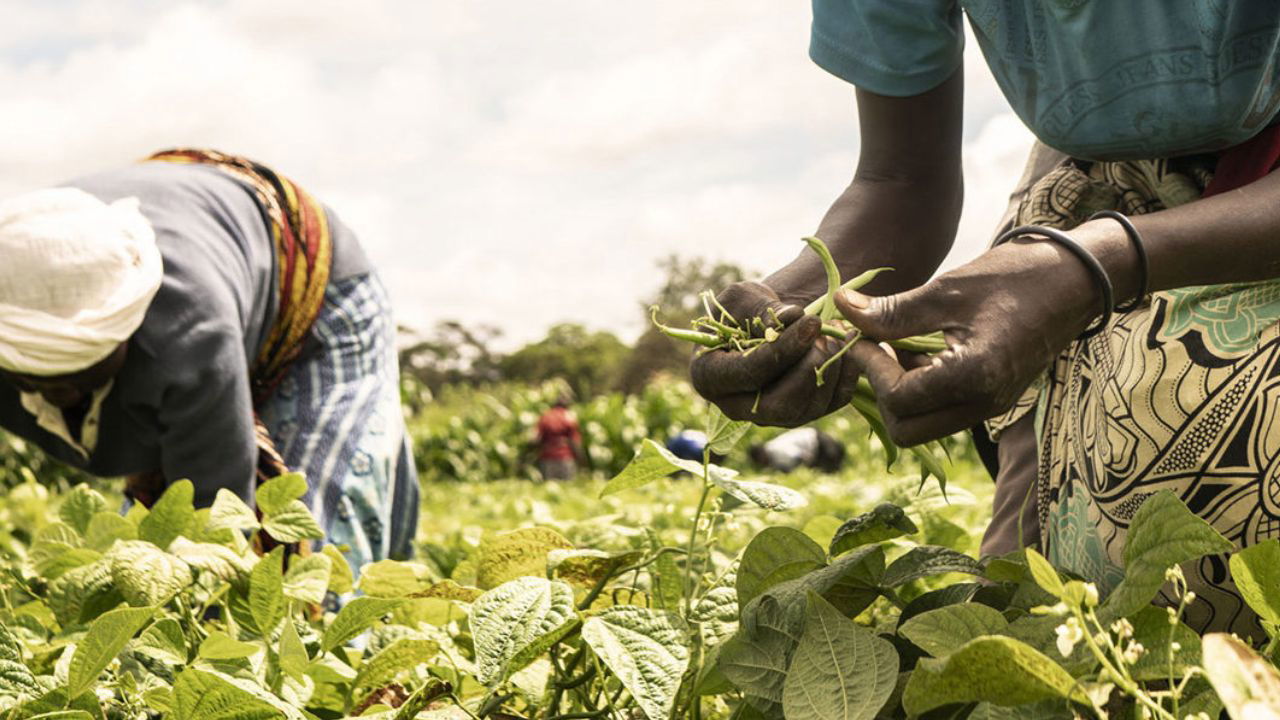
Several countries face challenges similar to India, including weak enforcement and reliance on hazardous chemicals. However, international programs promoting Integrated Pest Management are showing gradual progress.
Lesson: Institutional capacity and farmer education are critical for translating policy into practice.
Way Forward: Towards Safer and Sustainable Agriculture
Addressing the challenge of hazardous pesticides requires a multi-dimensional approach that balances regulation, awareness, and farmer support.
- A clear, time-bound roadmap is essential to phase out highly hazardous pesticides, prioritising those that pose the greatest risks to human health and ecosystems.
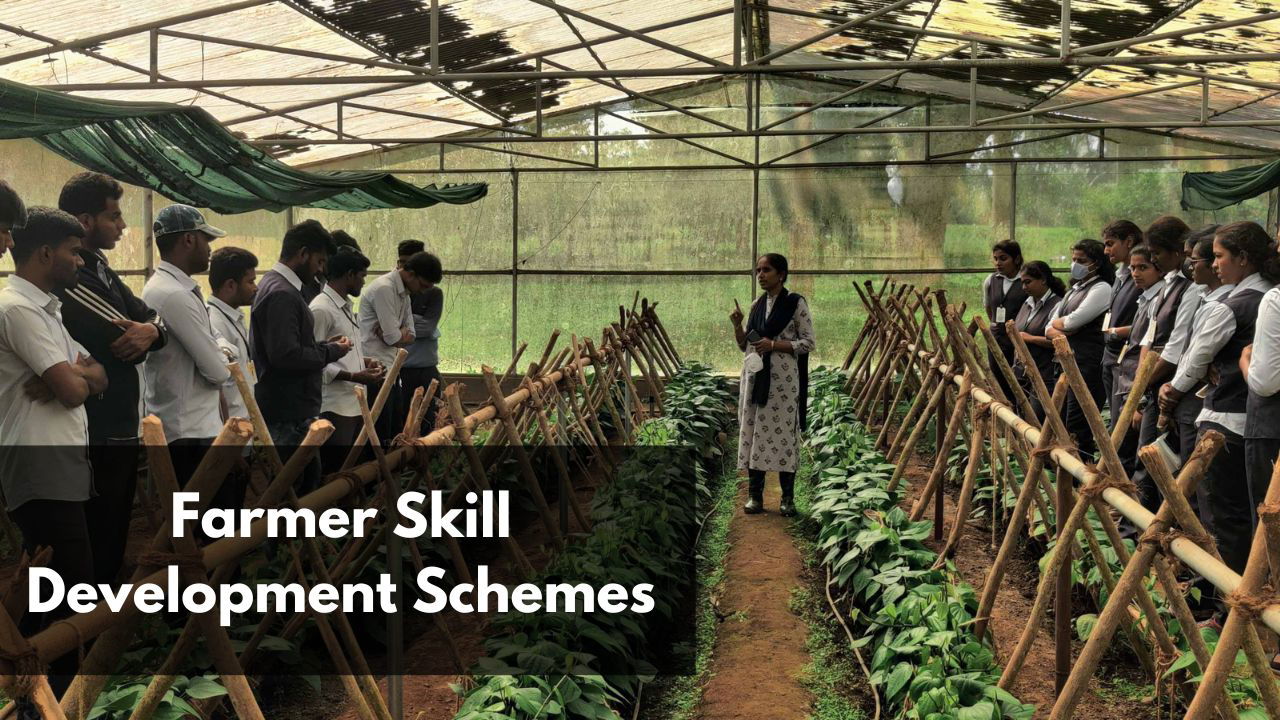
- Strengthening farmer education through extension systems is crucial to improve safe handling practices, build awareness of health risks, and encourage the adoption of safer pest control methods.
- Promoting alternatives such as bio-pesticides, botanical formulations, and Integrated Pest Management techniques can significantly reduce dependence on hazardous chemicals while sustaining productivity.
- Enhancing regulatory enforcement through better monitoring, stricter penalties, and stronger coordination between central and state authorities is key to ensuring compliance.
- Supporting farmers with financial incentives, subsidies for safer inputs, and improved market linkages for sustainably produced crops can ease the transition and protect livelihoods.
Role of Consumers and Market Systems
Consumer awareness is increasingly shaping agricultural practices, with rising demand for safe and residue-free food influencing how crops are grown and marketed. Certification and labeling systems are encouraging farmers to adopt safer practices, while supply chains are gradually enforcing stricter quality standards. However, ensuring affordability remains a critical challenge that requires targeted policy support.
Conclusion
The continued use of hazardous pesticides in India reflects a complex challenge at the intersection of agriculture, public health, and environmental sustainability. While these chemicals have supported productivity in the past, their long-term consequences on soil vitality, water purity, air quality, and human well-being are becoming increasingly difficult to ignore.
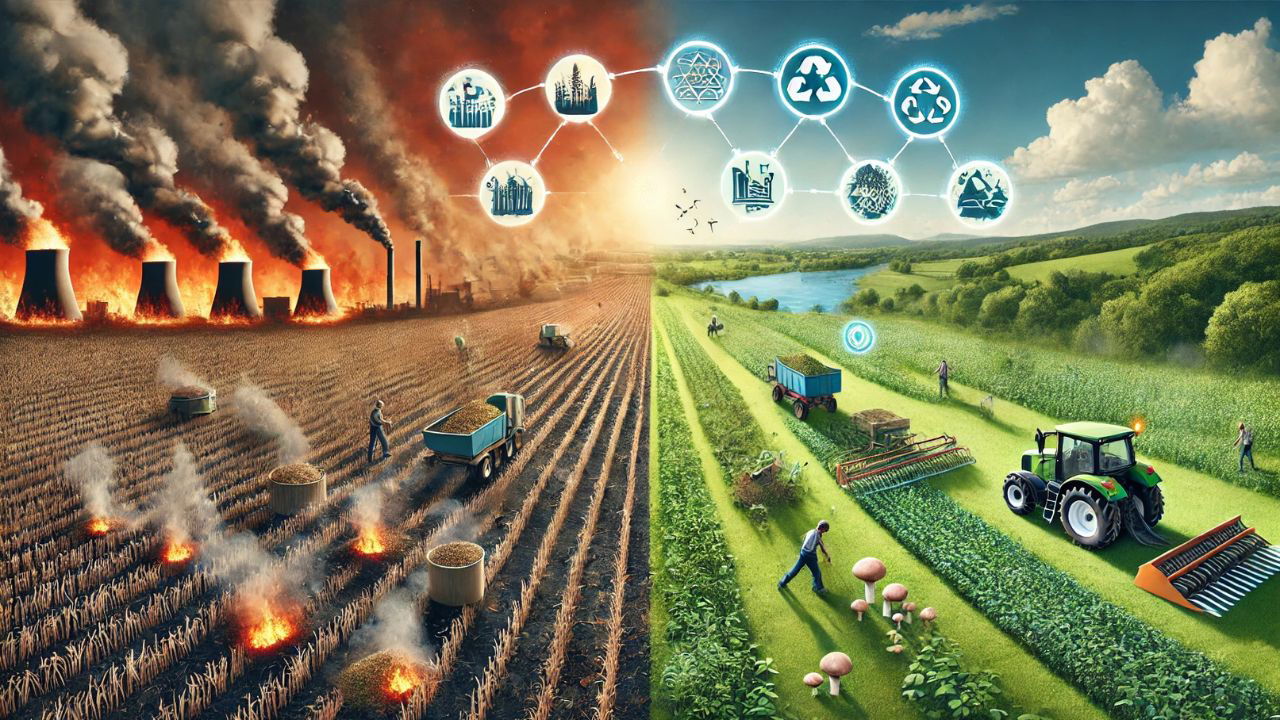
India now stands at an important turning point: to persist with a chemically intensive approach that strains natural systems, or to move towards safer, more sustainable farming practices that work in harmony with the land. The way forward lies in aligning policy, science, and farmer support to gradually reduce dependence on hazardous pesticides.
A timely and thoughtful transition will not only safeguard human health but also help restore the balance of our soils, protect water resources, and preserve the ecological foundations that sustain agriculture. In doing so, India can build a more resilient, responsible, and globally competitive agricultural future- one that respects both productivity and the well-being of the planet we depend on.
Related News


Teej Festival 2025: Celebrating Divine Love, Womanhood, and Sacred Traditions Across India and Nepal